Commentary
Nov 16, 2025
Global Convergence in Human Energy Expenditure: Evidence from 4,000 Adults Across 34 Cultures
Global Convergence in Human Energy Expenditure: Evidence from 4,000 Adults Across 34 Cultures
From hunter-gatherer societies to modern office workers, researchers found that total daily energy expenditure was strikingly similar, regardless of lifestyle or occupation.
From hunter-gatherer societies to modern office workers, researchers found that total daily energy expenditure was strikingly similar, regardless of lifestyle or occupation.
Introduction
From hunter-gatherer societies to modern office workers, researchers found that total daily energy expenditure was strikingly similar, regardless of lifestyle or occupation. That is the surprising conclusion of a new study published in PNAS (Proceedings of the National Academy of Sciences) in July 2025, which examined over 4,000 adults across 34 countries and cultures. It sounds almost counterintuitive: people who move more do not necessarily burn more calories than those who move less.
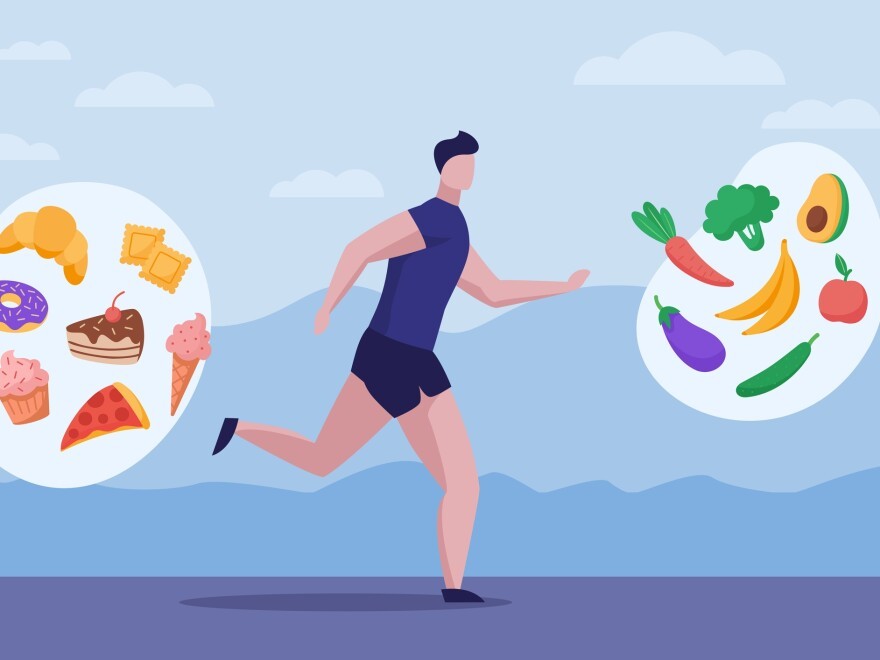
The study, discussed by the Harvard T.H. Chan School of Public Health and NPR, suggests that differences in obesity rates around the world are driven less by physical activity and far more by what and how much people eat. In other words, the primary force behind global obesity is diet, not movement.
That conclusion, while scientifically sound, should not be mistaken as a reason to downplay the role of physical activity. It simply shifts the focus from one part of the equation to the entire system.
Calories Count, But So Does Context
The energy balance principle remains absolute. Weight gain occurs when caloric intake exceeds expenditure over time. If a person consistently consumes 500 kilocalories more than they burn each day, that surplus accumulates. Within a week, that equals roughly one full day’s worth of energy stored as excess fat.
Given the modern food landscape, this imbalance is hardly surprising. Ultra-processed foods, rich in sugar, refined starches, and unhealthy fats, dominate global diets. Sugary beverages and calorie-dense snacks are inexpensive, heavily marketed, and often more accessible than fresh, nutritious foods. When food systems normalize excess, maintaining a healthy weight becomes less a matter of willpower and more a matter of environment.
The Real Role of Movement
Physical activity may not be the deciding factor in daily calorie expenditure, but it remains one of the strongest predictors of long-term health. Exercise influences not only how much energy we burn, but how that energy is used, stored, and regulated.
Regular movement improves insulin sensitivity, reduces inflammation, enhances metabolic efficiency, and strengthens the cardiovascular and immune systems. Active muscles act as metabolic regulators, stabilizing blood sugar and supporting hormonal balance. Even if two people eat the same diet, the one who moves more will have a body that functions more effectively and ages more slowly.
It is possible, therefore, to be overweight and metabolically healthy if one maintains high levels of activity and good nutrition. Conversely, a person of “normal” weight who is sedentary and undernourished may be at far greater risk of chronic disease. Health cannot be measured solely by body size, but by how well the body performs and recovers.
Understanding Health as a Daily Practice
The lesson is not that exercise is useless, but that it cannot exist in isolation. True health begins with awareness. It is not enough to add a few workouts into an otherwise sedentary routine or to diet briefly without addressing lifestyle.
A genuinely healthy life requires conscious integration. It means understanding how food, rest, and movement interact. It means asking, every day, “Am I moving enough? Am I nourishing my body? Am I living in balance?”
Movement should not be a chore reserved for the gym but a rhythm that runs through life. Walking to work, taking the stairs, stretching between tasks, or playing a sport are all expressions of active living. The healthiest societies are those that design activity into daily life rather than treating it as a separate effort.
The Modern Food Trap
The global obesity crisis is, above all, a reflection of modern food systems. Over the last four decades, calorie availability has increased dramatically while physical activity has become optional. Food portions have grown, ingredients have been engineered for pleasure and shelf life, and marketing has redefined what “normal” eating looks like.
When nearly every meal contains more calories than the body needs, it is no surprise that weight gain becomes the global default. Education about nutrition, clear food labeling, and improved access to healthy, affordable food options are essential if societies hope to reverse these trends.
Movement and Knowledge: The True Partnership
The answer is not to abandon one pillar of health for another. Diet and physical activity are not competing solutions but complementary forces. Food determines what enters the body. Movement determines how the body uses it.
The path forward is to cultivate a deeper understanding of both. Health is not a product of isolated recommendations but of an informed, intentional way of living. Those who understand their bodies, make conscious choices, and integrate movement into daily life are not only healthier but more resilient against the systems that promote inactivity and excess.
As this new research shows, obesity is not simply about how much we move, but how our environments shape what and how we eat. Yet movement remains the foundation of how we live, think, and function.
Final Thought
Physical activity will never replace a balanced diet, but neither can diet replace the transformative power of movement. One fuels the body. The other teaches it to thrive.
“It is health that is real wealth and not pieces of gold and silver.”
~Mahatma Gandhi
References and Further Reading
• Pontzer, H. et al. (2025). Energy expenditure and obesity across the economic spectrum. Proceedings of the National Academy of Sciences. PNAS
• Harvard T.H. Chan School of Public Health (2025). “Diet, not a lack of exercise, is main driver of obesity, study finds.” Harvard Public Health News
• NPR (2025). “You can’t outrun a bad diet. Food—not lack of exercise—fuels obesity, study finds.” NPR
Stay Inspired
Get fresh design insights, articles, and resources delivered straight to your inbox.
Latest Insights



Stay Inspired
Get fresh health insights, articles, and resources delivered straight to your inbox.
Commentary
Nov 16, 2025
Global Convergence in Human Energy Expenditure: Evidence from 4,000 Adults Across 34 Cultures
Global Convergence in Human Energy Expenditure: Evidence from 4,000 Adults Across 34 Cultures
From hunter-gatherer societies to modern office workers, researchers found that total daily energy expenditure was strikingly similar, regardless of lifestyle or occupation.
From hunter-gatherer societies to modern office workers, researchers found that total daily energy expenditure was strikingly similar, regardless of lifestyle or occupation.
Introduction
From hunter-gatherer societies to modern office workers, researchers found that total daily energy expenditure was strikingly similar, regardless of lifestyle or occupation. That is the surprising conclusion of a new study published in PNAS (Proceedings of the National Academy of Sciences) in July 2025, which examined over 4,000 adults across 34 countries and cultures. It sounds almost counterintuitive: people who move more do not necessarily burn more calories than those who move less.
The study, discussed by the Harvard T.H. Chan School of Public Health and NPR, suggests that differences in obesity rates around the world are driven less by physical activity and far more by what and how much people eat. In other words, the primary force behind global obesity is diet, not movement.
That conclusion, while scientifically sound, should not be mistaken as a reason to downplay the role of physical activity. It simply shifts the focus from one part of the equation to the entire system.
Calories Count, But So Does Context
The energy balance principle remains absolute. Weight gain occurs when caloric intake exceeds expenditure over time. If a person consistently consumes 500 kilocalories more than they burn each day, that surplus accumulates. Within a week, that equals roughly one full day’s worth of energy stored as excess fat.
Given the modern food landscape, this imbalance is hardly surprising. Ultra-processed foods, rich in sugar, refined starches, and unhealthy fats, dominate global diets. Sugary beverages and calorie-dense snacks are inexpensive, heavily marketed, and often more accessible than fresh, nutritious foods. When food systems normalize excess, maintaining a healthy weight becomes less a matter of willpower and more a matter of environment.
The Real Role of Movement
Physical activity may not be the deciding factor in daily calorie expenditure, but it remains one of the strongest predictors of long-term health. Exercise influences not only how much energy we burn, but how that energy is used, stored, and regulated.
Regular movement improves insulin sensitivity, reduces inflammation, enhances metabolic efficiency, and strengthens the cardiovascular and immune systems. Active muscles act as metabolic regulators, stabilizing blood sugar and supporting hormonal balance. Even if two people eat the same diet, the one who moves more will have a body that functions more effectively and ages more slowly.
It is possible, therefore, to be overweight and metabolically healthy if one maintains high levels of activity and good nutrition. Conversely, a person of “normal” weight who is sedentary and undernourished may be at far greater risk of chronic disease. Health cannot be measured solely by body size, but by how well the body performs and recovers.
Understanding Health as a Daily Practice
The lesson is not that exercise is useless, but that it cannot exist in isolation. True health begins with awareness. It is not enough to add a few workouts into an otherwise sedentary routine or to diet briefly without addressing lifestyle.
A genuinely healthy life requires conscious integration. It means understanding how food, rest, and movement interact. It means asking, every day, “Am I moving enough? Am I nourishing my body? Am I living in balance?”
Movement should not be a chore reserved for the gym but a rhythm that runs through life. Walking to work, taking the stairs, stretching between tasks, or playing a sport are all expressions of active living. The healthiest societies are those that design activity into daily life rather than treating it as a separate effort.
The Modern Food Trap
The global obesity crisis is, above all, a reflection of modern food systems. Over the last four decades, calorie availability has increased dramatically while physical activity has become optional. Food portions have grown, ingredients have been engineered for pleasure and shelf life, and marketing has redefined what “normal” eating looks like.
When nearly every meal contains more calories than the body needs, it is no surprise that weight gain becomes the global default. Education about nutrition, clear food labeling, and improved access to healthy, affordable food options are essential if societies hope to reverse these trends.
Movement and Knowledge: The True Partnership
The answer is not to abandon one pillar of health for another. Diet and physical activity are not competing solutions but complementary forces. Food determines what enters the body. Movement determines how the body uses it.
The path forward is to cultivate a deeper understanding of both. Health is not a product of isolated recommendations but of an informed, intentional way of living. Those who understand their bodies, make conscious choices, and integrate movement into daily life are not only healthier but more resilient against the systems that promote inactivity and excess.
As this new research shows, obesity is not simply about how much we move, but how our environments shape what and how we eat. Yet movement remains the foundation of how we live, think, and function.
Final Thought
Physical activity will never replace a balanced diet, but neither can diet replace the transformative power of movement. One fuels the body. The other teaches it to thrive.
“It is health that is real wealth and not pieces of gold and silver.”
~Mahatma Gandhi
References and Further Reading
• Pontzer, H. et al. (2025). Energy expenditure and obesity across the economic spectrum. Proceedings of the National Academy of Sciences. PNAS
• Harvard T.H. Chan School of Public Health (2025). “Diet, not a lack of exercise, is main driver of obesity, study finds.” Harvard Public Health News
• NPR (2025). “You can’t outrun a bad diet. Food—not lack of exercise—fuels obesity, study finds.” NPR
Stay Inspired
Get fresh design insights, articles, and resources delivered straight to your inbox.
Latest Insights
Stay Inspired
Get fresh health insights, articles, and resources delivered straight to your inbox.
Commentary
Nov 16, 2025
Global Convergence in Human Energy Expenditure: Evidence from 4,000 Adults Across 34 Cultures
Global Convergence in Human Energy Expenditure: Evidence from 4,000 Adults Across 34 Cultures
From hunter-gatherer societies to modern office workers, researchers found that total daily energy expenditure was strikingly similar, regardless of lifestyle or occupation.
From hunter-gatherer societies to modern office workers, researchers found that total daily energy expenditure was strikingly similar, regardless of lifestyle or occupation.
Introduction
From hunter-gatherer societies to modern office workers, researchers found that total daily energy expenditure was strikingly similar, regardless of lifestyle or occupation. That is the surprising conclusion of a new study published in PNAS (Proceedings of the National Academy of Sciences) in July 2025, which examined over 4,000 adults across 34 countries and cultures. It sounds almost counterintuitive: people who move more do not necessarily burn more calories than those who move less.
The study, discussed by the Harvard T.H. Chan School of Public Health and NPR, suggests that differences in obesity rates around the world are driven less by physical activity and far more by what and how much people eat. In other words, the primary force behind global obesity is diet, not movement.
That conclusion, while scientifically sound, should not be mistaken as a reason to downplay the role of physical activity. It simply shifts the focus from one part of the equation to the entire system.
Calories Count, But So Does Context
The energy balance principle remains absolute. Weight gain occurs when caloric intake exceeds expenditure over time. If a person consistently consumes 500 kilocalories more than they burn each day, that surplus accumulates. Within a week, that equals roughly one full day’s worth of energy stored as excess fat.
Given the modern food landscape, this imbalance is hardly surprising. Ultra-processed foods, rich in sugar, refined starches, and unhealthy fats, dominate global diets. Sugary beverages and calorie-dense snacks are inexpensive, heavily marketed, and often more accessible than fresh, nutritious foods. When food systems normalize excess, maintaining a healthy weight becomes less a matter of willpower and more a matter of environment.
The Real Role of Movement
Physical activity may not be the deciding factor in daily calorie expenditure, but it remains one of the strongest predictors of long-term health. Exercise influences not only how much energy we burn, but how that energy is used, stored, and regulated.
Regular movement improves insulin sensitivity, reduces inflammation, enhances metabolic efficiency, and strengthens the cardiovascular and immune systems. Active muscles act as metabolic regulators, stabilizing blood sugar and supporting hormonal balance. Even if two people eat the same diet, the one who moves more will have a body that functions more effectively and ages more slowly.
It is possible, therefore, to be overweight and metabolically healthy if one maintains high levels of activity and good nutrition. Conversely, a person of “normal” weight who is sedentary and undernourished may be at far greater risk of chronic disease. Health cannot be measured solely by body size, but by how well the body performs and recovers.
Understanding Health as a Daily Practice
The lesson is not that exercise is useless, but that it cannot exist in isolation. True health begins with awareness. It is not enough to add a few workouts into an otherwise sedentary routine or to diet briefly without addressing lifestyle.
A genuinely healthy life requires conscious integration. It means understanding how food, rest, and movement interact. It means asking, every day, “Am I moving enough? Am I nourishing my body? Am I living in balance?”
Movement should not be a chore reserved for the gym but a rhythm that runs through life. Walking to work, taking the stairs, stretching between tasks, or playing a sport are all expressions of active living. The healthiest societies are those that design activity into daily life rather than treating it as a separate effort.
The Modern Food Trap
The global obesity crisis is, above all, a reflection of modern food systems. Over the last four decades, calorie availability has increased dramatically while physical activity has become optional. Food portions have grown, ingredients have been engineered for pleasure and shelf life, and marketing has redefined what “normal” eating looks like.
When nearly every meal contains more calories than the body needs, it is no surprise that weight gain becomes the global default. Education about nutrition, clear food labeling, and improved access to healthy, affordable food options are essential if societies hope to reverse these trends.
Movement and Knowledge: The True Partnership
The answer is not to abandon one pillar of health for another. Diet and physical activity are not competing solutions but complementary forces. Food determines what enters the body. Movement determines how the body uses it.
The path forward is to cultivate a deeper understanding of both. Health is not a product of isolated recommendations but of an informed, intentional way of living. Those who understand their bodies, make conscious choices, and integrate movement into daily life are not only healthier but more resilient against the systems that promote inactivity and excess.
As this new research shows, obesity is not simply about how much we move, but how our environments shape what and how we eat. Yet movement remains the foundation of how we live, think, and function.
Final Thought
Physical activity will never replace a balanced diet, but neither can diet replace the transformative power of movement. One fuels the body. The other teaches it to thrive.
“It is health that is real wealth and not pieces of gold and silver.”
~Mahatma Gandhi
References and Further Reading
• Pontzer, H. et al. (2025). Energy expenditure and obesity across the economic spectrum. Proceedings of the National Academy of Sciences. PNAS
• Harvard T.H. Chan School of Public Health (2025). “Diet, not a lack of exercise, is main driver of obesity, study finds.” Harvard Public Health News
• NPR (2025). “You can’t outrun a bad diet. Food—not lack of exercise—fuels obesity, study finds.” NPR
Stay Inspired
Get fresh design insights, articles, and resources delivered straight to your inbox.
Latest Insights
Stay Inspired
Get fresh health insights, articles, and resources delivered straight to your inbox.